 Bet
Bet
Padres @ Dodgers
Thursday, 10:10 PM ET | Dodger Stadium, Los Angeles, CA
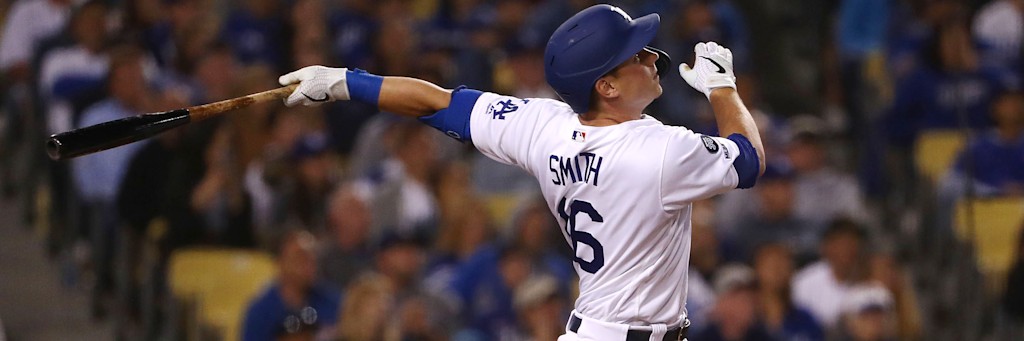
Rivalry games are supposed to arrive with two teams punching at the same weight, but the July 2 nightcap at Dodger Stadium catches the National League West's fiercest feud at a moment of stark imbalance. Los Angeles owns the best record in the National League at 56-31, a full-strength juggernaut playing at home. San Diego walks in at 43-42, still above .500 on the season but skidding through a five-game losing streak at the worst possible time, with a starting rotation thinned to the studs by injuries.
The pitching billboard reads Randy Vasquez against Roki Sasaki, and both lines require a little context. Vasquez sits at 6-6 with a 4.44 ERA and a 1.46 WHIP, a back-end profile pressed into a bigger role than San Diego ever planned for him in this series. Sasaki's 3-5 record and 4.88 ERA badly undersell what he has become: 72 strikeouts across 72 innings, a splitter that disappears under barrels, and a fastball that touches the top of the radar gun. On his best nights, he looks like the most unhittable arm in the building.
A Padres Rotation Running On Fumes
The story of San Diego's night starts before the first pitch. The Padres' rotation has been hollowed out by injuries, with Lucas Giolito, Nick Pivetta, German Marquez and depth arm Bryan Waldron among those unavailable. That is not a bullpen game by choice so much as by necessity, and it forces Vasquez into the role of stopper against the deepest, most balanced lineup in the National League. Asking a fill-in starter to navigate the Dodgers' order twice, on the road, in the middle of a five-game slide, is one of the tougher assignments the schedule can produce.
San Diego is not a bad team, which is what makes the timing so cruel. A 43-42 club with this much talent should be trading blows with anyone, but the compounding effect of a losing streak and a depleted rotation narrows the margin for error to almost nothing on a night like this. The Padres need length and calm from Vasquez, and they need their offense to give him an early cushion rather than asking him to protect a deficit against a lineup built to pour it on.
Keys To Victory: Padres
San Diego's path is to make Sasaki work and to strike before he settles. When Sasaki is behind in the count, hitters can sit on the fastball and take their walks; when he is ahead, the splitter turns at-bats into strikeouts. The Padres have to be disciplined early, run his pitch count up, and try to turn the game into a bullpen affair for both sides, where their own relievers can match up. Above all, they need to score first, because chasing the Dodgers at Chavez Ravine is exactly the script that has defined their losing streak.
Keys To Victory: Dodgers
Los Angeles has a lineup wrinkle of its own, with catcher Will Smith managing a neck issue, but the bigger news is a boost: Mookie Betts is expected back in the lineup, lengthening an order that hardly needed the help. The blueprint is straightforward when Sasaki is right. Get him a lead, let him pitch downhill with the splitter, and hand a comfortable margin to a deep bullpen. The Dodgers do not need to force anything against a makeshift San Diego staff; patience and their sheer depth tend to do the work over nine innings.
Final Thoughts
The rivalry guarantees intensity even when the form lines diverge, and San Diego has enough pride and talent to make any night against Los Angeles interesting. But the underlying conditions could hardly favor one side more clearly: the NL's best record at home, a healthy top of the order returning, and a rising ace on the mound against a reeling opponent whose rotation has been stripped to a fill-in starter. Whether Sasaki delivers the kind of signature performance his strikeout rate promises or the Padres summon a streak-snapping upset, this is the game on Thursday's board worth circling. For the rest of the day's slate, see the MLB previews page.